
The Benefits of Hiring a Community-Oriented Drummer: Building Connections Through Music
- May 11
- 12 min read
Updated: May 15
The beat of Washington, DC - the city's open mics echoing with new voices, church services alive with syncopation, Go-Go bands fueling block parties from Shaw to Anacostia - makes clear that music here thrives on connection. Every gathering pulses not just with sound, but with shared intent; rhythms lay the groundwork for friendships, responsive bands, and crowds that linger past midnight swapping stories. In these spaces, music does not separate performer from audience - it dissolves barriers and unites neighborhoods in collective celebration or solace.
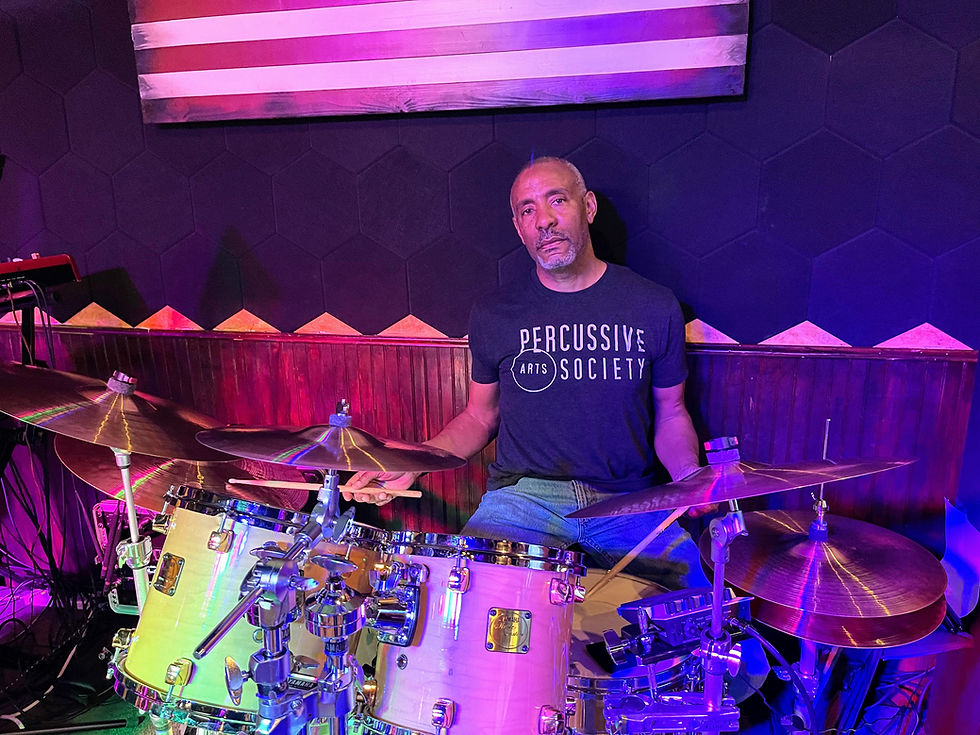
Within this living scene, a drummer's impact stretches far beyond four-on-the-floor grooves or the perfect fill. It takes an artist rooted in the region's intertwined music communities to blend into every genre and setting. Wil Cameron stands as that steady presence - twenty years building trust across Washington, Maryland, Virginia, and Indianapolis, moving between jazz clubs, R&B sessions, worship services, and DC's storied Go-Go events. What sets his drumming apart is not only technical fluency but a continuous investment in the local network: mentoring younger players after gigs; coordinating with event organizers before the first note; joining committed bands where continuity creates more than individual moments - it breeds belonging.
Artists seeking fresh collaboration, worship leaders tasked with uplifting congregations, and event planners under pressure all recognize that hiring for drums means bringing on a partner able to blend creative nuance with dependable support. The deeper value lies not just in filling a stage but in bringing people together - amplifying each player's voice while keeping everything grounded and collaborative. A community-focused drummer shapes reliable logistics, artistic growth, and music that connects generations - delivering outcomes as memorable as the shows themselves.
Why Community-Oriented Drummers Make the Difference: Connection Over Competition
Collaboration runs deeper than playing the right notes. In the music community DMV, drummers who invest in local connections create opportunities for others - on stage and behind the scenes. My time with organizations like the Baltimore Jazz Alliance and Drum Circle Facilitators Guild shows how these ties translate into richer, more flexible performances.
Community-oriented drumming means relationships are built beyond one-off gigs. I've shared last-minute calls with other players when weather shifts outdoor events or a musician falls ill an hour before doors. Because trust already exists, replacements come through without hesitation and sets run smooth. I've stepped in for peers and seen others step up for me - a cycle rooted in mutual respect shaped by persistent networking and ongoing support.
Supporting local musician efforts often goes unrecognized, but it's foundational for reliable outcomes. A church leader needing an R&B feel for their Sunday service might tap me through community contacts, confident that recommendations come from shared experience - not algorithms or faceless directories. When a session requires immediate percussion tweaks for Go-Go or gospel, studio engineers lean on players plugged into the local music collaboration Washington network; speed and quality result from practiced rapport. These moments aren't isolated - they reflect daily realities for musicians collaborating across genres who prioritize connection over ego.
Benefits of Community Focus
Smoother project execution: Quick access to trustworthy, skilled subs keeps timelines intact when surprises arise.
Diversity of sound: Active involvement in local scenes brings authentic energy to jazz improv, gospel grooves, or rock backlines - drawn from lived musical dialogue rather than playlists alone.
Mentorship for emerging talent: Passing names and gigs forward ensures no one faces the industry alone; the next generation grows with guidance and encouragement.
Shared standards: Consistent communication sets clear rehearsal, setup, and performance expectations, making organizers' jobs easier.
I approach networking as stewardship rather than simple career-building. Supporting younger drummers at a jam session, guiding first-timers during drum circle workshops, or connecting artists seeking a specific groove for their project enriches everyone involved. This focus on collaboration reduces stress during planning and rehearsal because shared priorities are already clear. Event planners and bandleaders know there's accountability without hierarchy - and that reliability is built into every call sheet.
The results speak in energetic performances where musicians listen to one another closely and respond in real time. When support comes naturally between peers, genre versatility follows easily - enabling transitions from funk to jazz or driving delicate worship songs with steady hands. Through consistent involvement in local music communities, every project gains not only a reliable groove but also the creative lift that emerges when competition gives way to genuine connection.
Reliability You Can Trust: Community Roots Breed Consistency
Consistency rests on reputation within the music community DMV. Musicians often face frustration booking drummers who cancel late or show up unprepared, creating stress for organizers and undermining group morale. Years invested supporting local musician efforts - whether backing church choirs in Takoma Park or joining late-night sessions on U Street - have shown me how strong, visible roots keep standards high and relationships steady.
Bandleaders and event organizers expect reliability as the basic currency of collaboration. At a recent gala in Arlington, a sudden change in repertoire called for new arrangements during soundcheck. Familiar with the clients from previous gigs and familiar with the ensemble's working style, I adjusted setlists, communicated changes before doors opened, and delivered precise cues throughout. The evening ran without incident, and the director later remarked that my calm presence "turned an unexpected challenge into a highlight." Stories like these circulate through the network; one gospel choir director shared that bringing me in "means less time texting reminders or shuffling rehearsal times" because I keep open lines for every detail - arrival windows, dress code changes, drum kit sharing between acts. Word spreads fast in close music circles when someone makes a habit of showing up ready or covers last-minute needs without complaint. That trust becomes your reference; organizers sleep easier knowing support won't fall through.
Punctuality anchors planning: Committing to early load-ins and answering calls or texts promptly lets event planners focus on their core tasks, confident that percussion needs are handled.
Clarity prevents missteps: Regular touchpoints - phone check-ins after setlist updates or pre-gig walkthroughs of cues and transitions - limit surprises on stage or in the studio.
Adaptability reinforces confidence: High-pressure circumstances, from doors opening during weather delays to filling gaps at community block parties, call for quick thinking executed with steady hands.
The music collaboration Washington scene values dependable talent. Drummers rooted here quickly learn that consistency does not go unnoticed; a clear pattern of steady work opens doors to meaningful projects and ongoing partnerships rather than one-off gigs. Community orientation sharpens not just technical reliability but solution-driven communication - offering assurance to anyone responsible for bringing musicians together at scale. While these habits foster smooth logistics and fewer disruptions for anyone organizing an event or worship service, they also forge the groundwork for deeper musical adaptability: it's often those most engaged locally who can step across genres seamlessly when fresh challenges arrive.
Elevating Every Event: Genre Versatility Forged by Community Experience
Genre diversity in the DMV demands more than technical skill - it calls for context, adaptability, and a networked mindset. Regular community involvement is what shapes lasting versatility. No two weeks look alike. Monday finds me tucked behind a jazz kit at a Northeast DC rehearsal, sharpening dynamic shaping with horn players who thrive on interplay. These are not faceless pick-up gigs; these groups form over months at events organized by music collectives invested in long-term growth, part of the deep-rooted music community DMV nurtures religiously.
Midweek pivots the groove completely. R&B and neo-soul rehearsals near Silver Spring involve artists who balance corporate work and artistry. They want locked-in pocket but also sensitivity to lyrical flow - a skill that comes from listening first, always valuing song structure over showmanship. Many arrived through word-of-mouth connections or community-driven jam sessions. Over time, that steady interface with varied bands locks in nuanced expectations - bandleaders trust not just my rhythm, but my role as an anchor who reads subtle cues and identifies changes on the fly.
By Thursday evening, Go-Go calls in the city intensify as percussionists trade syncopated licks rooted in decades of DC sound. These house parties and anniversary shows possess unspoken codes around call-and-response breaks - habits honed only by continuous participation in shared cultural practices, never replicated from recorded tracks alone. Roots with Go-Go stalwarts mean everyone on stage reads and feeds the same pulse; energy comes from collective memory and immediate responsiveness.
Consistent Adaptation Across Settings
This week may include:
Studio dates in Alexandria where session leaders shift from blues to indie rock within hours - flexibility needed for rapid tech setups and matching session tempos on minimal notice.
Friday worship team rehearsals for Sunday church services, often demanding subtle transitions between gospel ballads and uptempo praise pieces. Changes come via group text minutes before downbeat; relationships built with local musician support ease every adjustment.
Each genre brings unfamiliar charts or evolving setlists. The only constant is preparation and close communication. Event planners or choir directors cross city lines to collaborate because mutual connections have already tested reliability under stretch conditions - from delayed load-ins to last-second song swaps.
Simplifying Choices for Organizers
This depth streamlines booking logistics for event coordinators and bands navigating an active music collaboration Washington scene:
No learning curve delays: Genre experience reduces rehearsal hours; projects move swiftly onto music instead of translation or corrections.
Immediate rapport with new groups: Community ties flatten introductions, replacing uncertainty with shared context - and respect for each group's style and traditions.
Smooth multi-format service: Whether it's live jazz, studio tracking, worship leadership, or creative session work, familiarity across platforms eliminates extra planning steps.
One-click scheduling: The online calendar is straightforward - organizers check open windows or confirm holds without back-and-forth delays that disrupt momentum. Bands know there's committed follow-through once a date is agreed.
Genre fluency becomes a natural extension of community presence. Decades engaging side-by-side in jazz lofts, gospel choirs, Go-Go clubs, and recording rooms make genuine versatility automatic - not manufactured between isolated projects, but forged through lived collaboration week after week. Organizers tap into not just technical solutions but a calm partner who learns quickly and listens closely - delivering consistent results that match the crew's character every single time.
Building Lasting Bonds: Community Engagement as the Secret to Seamless Collaboration
A drummer truly embedded in the music community DMV brings more than technique to any collaboration; the difference often shows up in rehearsal rooms where trust, communication, and creative risk-taking set the pace. Years invested in supporting local musician efforts - whether coaching an aspiring indie band at Songbyrd or refining transitions for church worship leaders - have illustrated again and again how ongoing community involvement changes the fabric of a project. Repeatedly working alongside others as mentor and collaborator, not just sideman, builds cohesive groups from strangers, turning one-off shows into launching pads for lasting partnerships.
Active Listening as Foundation
Active listening underpins fast ensemble chemistry. During a recording session for a Silver Spring rapper's EP, a young guitarist struggled to lock in with the rhythm section. Instead of pushing ahead, I paused rehearsal, replayed their take back, and suggested we discuss beat placement together. Within minutes, nerves settled and ideas flowed more freely; band members grew comfortable proposing rhythmic variations. Comments like, "I've never felt someone notice my cues that quickly," reflect how focusing intently on collaborators encourages them to leap further creatively. This kind of attentiveness shortens the road to unified groove every time.
Mentorship Lowers Barriers and Lifts Standards
Structured mentorship remains equally impactful. At quarterly drum workshops partnered with DC's Youth Music Project, new drummers sit beside experienced players in live jam rotations. These sessions find pros passing unspoken etiquette - when to drop in fills or when to support quietly - while spotlighting young musicians' voices in every round. I once watched an emerging keyboardist hesitantly present a gospel intro; after minor coaching on tempo flexibility and vocal phrasing, she drew praise from both her peers and seasoned mentors available that afternoon. Her confidence carried forward into subsequent gigs across Prince George's County, gaining her steady calls through community recommendations.
Smoother rehearsals: Open sharing of ideas grants each member clear creative input, erasing tension before it surfaces.
Sparking growth in others: Demonstrating humility by seeking suggestions from less-experienced members enables shared wins - and strengthens overall musicianship.
Rapid adaptation: Each project leverages accumulated knowledge built through many ensembles, allowing quick pivots when musical needs change mid-stream.
Collaboration Without Ego
Working with diverse teams - whether a Go-Go reunion jam on Georgia Avenue or filling out percussion for a neighborhood block party - demands constant recalibration of approach and attitude. Stepping back so new worship leaders can test out arrangements without pressure often leads to stronger final results; I've seen hurried plans transform into lock-tight performances because participants felt supported in the experimentation process. A saxophonist from a recent quintet remarked after our set: "Wil listens with purpose - the band hears itself better because he clears space for each voice." Those moments reveal what keeps music collaboration Washington vibrant: drummers who anchor sessions with empathy elevate every contributor's impact.
This cycle of giving - advice when sought, patience when mistakes happen - builds bridges across genres and generations. Every effort in the DMV music scene flows together: lessons at Saturday workshops lead to Sunday ensemble calls; referrals connect indie projects with reliable rhythm sections; spontaneous neighborhood sessions introduce talent destined for larger stages. The ensemble becomes family; creativity deepens as connections stretch across churches, clubs, studios, and street corners.
Choosing a drummer grounded in local engagement delivers more than steady timekeeping - it draws out commitment from everyone involved. Musicians rehearse hard because they know their input matters; event organizers witness smoother coordination because communication proves routine rather than reactive. Within the ongoing pulse of this region's music scene, a connector multiplies opportunities - shaping music that reflects both shared roots and future possibilities.
Beyond the Stage: Community-Driven Drumming as a Vehicle for Artistic Growth
A drummer who invests in the local music community DMV redefines what artistic partnership means for bands, educators, and event hosts. Wil Cameron's role offstage - shaping workshops, leading clinics, and guiding younger players - transforms connections into catalysts for growth neither fleeting nor one-sided. These ongoing activities with organizations like the Percussive Arts Society and Drum Circle Facilitators Guild create a foundation where energy travels far beyond a hired set of hands behind the kit.
Mentorship as a Consistent Source of Progress
Structured mentorship distinguishes Wil's contribution within the ecosystem of musician networking DMV. By hosting routine technique sessions or stepping in to co-facilitate youth rhythm workshops, he helps developing drummers understand not just patterns but the demands of professional reliability. A workshop in Prince George's County ended with two emerging musicians deciding to team up after discovering shared vision during a polyrhythm challenge Wil coached - a partnership that would not have formed absent genuine community space.
Support for local musician growth often arrives in informal moments - encouraging adjustments during rehearsal or exchanging stories about practice habits over coffee after gigs. These consistent efforts raise standards for everyone. Bands hire better-prepared subs, school groups no longer flounder when performance pressure mounts, and even established professionals find renewed creative fuel when surrounded by multi-generational networks.
Workshops That Ripple Through the Scene
Cohesive bands: Players who attend regional rhythm classes leave with tools they bring back to existing ensembles, creating smoother rehearsals and fewer missed cues onstage.
Elevated new talent: Young artists gain early feedback in a safe setting, fast-tracking their ability to meet expectations at larger events.
Growing networks: Workshop introductions spark collaborations crossing neighborhoods or genres, leading to projects neither party might pursue alone.
Audience inclusion: Community events - open drum circles or public music days anchored by dedicated facilitators - invite participation from listeners who become loyal supporters or even future collaborators.
Event organizers benefit most when collaboration is more than transactional. Artists who start as mentees at Wil's clinic may later headline benefit concerts or sit in for session work at short notice. This cycle injects audiences and lineups with authenticity and local identity rarely possible through detached booking channels. Participation in music collaboration Washington-wide also ensures working relationships withstand scheduling changes or professional stress; colleagues know calls from Wil lead to constructive problem-solving and sincere encouragement.
Community orientation gives every event further reach, supplying more than talent: it brings a living infrastructure where skill, trust, and opportunity accumulate over months and years. Music-driven education - whether in structured clinics or open genre crossovers - establishes long-lasting partnerships. Choosing to work with Wil extends an invitation into that continuum: an active legacy connecting yesterday's mentors to tomorrow's headliners, while every participant draws real-time benefit from a stronger, closer-knit creative scene.
Musical communities thrive on trust, flexibility, and shared purpose - qualities that define Wil Cameron's work across Washington, Maryland, Virginia, and Indianapolis. Every booking extends further than performance: artists, event coordinators, worship leaders, and producers witness immediate benefits from a drummer who anchors both the groove and the spirit of collaboration.
Wil's journey in the DMV and Indianapolis is built on visible reliability and genre-fluent skill. Whether adapting to last-minute changes at major events or fostering emerging talent through regional workshops, his involvement transforms routine gigs into creative partnerships. Artists receive deep listening and steady guidance; organizers gain peace of mind with seamless rehearsal prep and responsive communication; worship teams find a musical anchor invested in each service's heart and flow.
Those ready to enhance their events or projects will find Wil's process refreshingly simple. The always-current live calendar provides instant access to availability - no guesswork, no delay. Galleries spotlight diverse collaborations and energetic moments on stage, offering a real glimpse into what community-driven drumming can deliver. Booking or reaching out is straightforward: quick calls or messages open the door to honest discussion about goals and vision.
From seasoned professionals navigating packed schedules to newcomers eager to launch their first live show, everyone steps into a partnership grounded in respect and mutual growth when working with Wil Cameron Drums. Great music begins with strong relationships - a truth at the core of every project Wil supports. The invitation remains open: check schedules, see recent collaborations, connect, and experience what happens when real community sets the tempo.


Comments